
“Mom Didn’t Just Fall”: What to Ask After an Unwitnessed Fall in a Nursing Home

The Short Answer
What Is an Unwitnessed Fall in a Nursing Home?
An unwitnessed fall occurs when a resident falls without anyone seeing it happen. Staff may find the resident on the floor, or the resident may later report that they fell.
An unwitnessed fall does not necessarily indicate neglect. However, how long your loved one was on the floor, what care they received after the fall, and whether the incident was properly documented can all raise important questions about the nursing home’s care.
When the nursing home calls to tell you that Mom or Dad has fallen, you want to know how badly they’re hurt and what happened. But what if your parent has dementia and can’t remember the fall? Or what if they tell you about a fall themselves, and this is the first you’ve heard of it?
Even when nobody witnessed the fall, there are still questions the nursing home should be able to answer. Those answers can help you understand what happened, how your parent was being cared for before the fall, and whether they received the care they needed afterward.
What Should You Ask After an Unwitnessed Fall in a Nursing Home?
When a parent is at risk of falling, the nursing home should have a plan in place to prevent falls.
“Mom is in the nursing home to be taken care of because she’s at fall risk,” explains Stephen Garcia, senior partner at Garcia & Coman.
If your loved one has experienced an unwitnessed fall, here are six questions to ask the nursing home.
Note: Keep a dated record of the answers you receive, who you spoke with, and any details your loved one shares with you.
1. When did the fall happen?
If nobody witnessed the fall, staff may not know exactly when it occurred. Ask when your parent was last seen and when they were found. How long might they have been lying on the floor before someone came to help?
2. Where and how did the fall occur?
Was your parent in their bedroom, bathroom, or a common area? Were they trying to get out of bed, use the toilet, or reach something? The circumstances can help establish whether they needed assistance that wasn’t available.
3. Who found your loved one?
Ask which staff member discovered your parent, what condition they were in, and whether anyone had checked on them before the fall.
4. What medical care did they receive?
Who assessed your parent for injuries? Was a physician notified? Ask whether further medical evaluation was needed and how staff monitored your parent for injuries or symptoms that might develop afterward.
5. Was the fall documented and reported?
Ask to see the incident report and relevant care records. When was the fall documented, and who was notified? If your parent told you about a fall that the nursing home never reported, ask whether staff knew it had happened and what actions they took.
6. What will change to prevent another fall?
Ask whether the facility reassessed your parent’s fall risk and updated their care plan. If your loved one has fallen before, find out what changes were made after those earlier incidents.

Why Are Falls a Common Occurrence Among Older Adults?
As people age, changes in muscle strength, balance, mobility, and vision can increase their risk of falling. Certain medications, dementia, Parkinson’s disease, and other health conditions can further contribute to that risk.
According to the Centers for Disease Control and Prevention (CDC), most falls result from a combination of risk factors. The more risk factors a person has, the greater their likelihood of falling.
Many nursing home residents need assistance with everyday activities such as walking, bathing, using the toilet, or getting in and out of bed. These needs are often known to the facility before a fall occurs.
While falls cannot always be prevented, nursing homes should identify the individual factors that contribute to your loved one’s fall risk and put appropriate measures in place to address them. One resident might struggle with poor balance, another might experience dizziness from medication, and a resident with dementia might repeatedly attempt to get out of bed without assistance.
When Is a Nursing Home Fall Preventable?
Under federal nursing home regulations, facilities must provide adequate supervision and assistance devices to prevent accidents and keep residents’ surroundings as free from hazards as possible.
A nursing home fall may be preventable when the facility fails to identify a resident’s fall risk, provide appropriate precautions, or follow the resident’s care plan.
What Should a Fall-Prevention Plan Include?
Depending on your loved one’s individual needs, their fall-prevention plan may include:
- Assistance with walking, using the toilet, or getting in and out of bed.
- Appropriate mobility aids, such as walkers or wheelchairs.
- Regular staff check-ins and timely responses to call buttons.
- Medication reviews to identify drugs that may cause dizziness or affect balance.
- Environmental precautions, such as adequate lighting, clear walkways, and accessible personal belongings.
These measures should be tailored to your loved one’s needs, communicated to the staff responsible for their care, and followed consistently.
Why Are Repeated Falls Particularly Concerning?
A fall gives the nursing home an opportunity to identify what went wrong and determine whether additional precautions are necessary.
If your parent has fallen multiple times, especially under similar circumstances, it’s important to ask whether their care plan was updated after each incident and whether those changes were actually implemented.
Repeated falls resulting in serious injuries may raise concerns that the nursing home knew about the risk but failed to take adequate steps to address it.
For example, Garcia & Coman obtained an $800,000 settlement for an elderly client who suffered repeated falls at a residential care facility.

What Should Families Do After a Nursing Home Fall?
If your loved one has fallen, the first priority is ensuring they receive appropriate medical care. Some injuries, particularly head injuries, may not be immediately apparent. Continue to ask about any changes in your parent’s condition and how the facility is responding to them.
Keep Your Own Record of Your Loved One’s Care
Start a personal care log, even if you aren’t currently concerned about neglect.
Your parent might mention that they slipped getting out of bed, that nobody came when they pressed their call button, or that they needed help walking to the bathroom. On their own, these incidents might not seem significant. Over time, however, they may help reveal a pattern of inadequate care. A record of earlier falls, requests for assistance, and conversations with staff may help establish whether the nursing home knew about an ongoing risk and what it did to address it.
Your care log should include:
- Dates and approximate times of falls or other incidents.
- What your loved one tells you about their experiences.
- Injuries, unexplained bruises, or changes in their condition that you observe.
- Conversations with nursing home staff, including names, explanations, and any promises made.
- Concerns you raise with the facility and what actions were taken in response.
Where possible, note what you observed yourself, what your loved one told you, and what you were told by nursing home staff.
Record these details as they happen. If your loved one suffers a serious injury months later, it can be difficult to remember everything that came before it.
| Example Incident Log | ||
|---|---|---|
| Date | What Happened | Follow-up |
| Oct. 3 | Mom says she slipped getting out of bed. | Asked staff about the incident. |
| Oct. 11 | Noticed unexplained bruising on her arm. | Spoke with the nurse on duty. |
| Oct. 18 | Mom reports waiting for help after pressing her call button. | Asked about supervision and assistance. |
Illustrative example only.
Garcia & Coman’s Family Action Kit can help you stay informed, document concerns, and advocate for your loved one’s care.
FAQs About Nursing Home Falls
Can you sue a nursing home for an unwitnessed fall?
Yes. The fact that nobody witnessed the fall does not prevent your loved one from having a legal case. Care plans, medical records, staff accounts, and previous incidents may help establish whether the nursing home failed to provide appropriate care and whether that failure contributed to your loved one’s injuries.
What injuries can lead to a nursing home falls lawsuit?
Broken hips, broken necks, traumatic brain injuries, spinal cord injuries, and other serious injuries may warrant a legal investigation. A fall resulting in death may also give rise to a wrongful death claim. The severity of the injury, the circumstances of the fall, and the care provided by the nursing home are all important considerations.
What if the nursing home says my loved one’s fall was unavoidable?
Even when a resident has a high fall risk, the nursing home is responsible for taking appropriate precautions. If you’re considering suing a nursing home for a fall, an attorney can help determine whether the facility took reasonable steps to prevent the fall and provided appropriate care afterward. For examples of cases we’ve handled, see our nursing home abuse case results.

Get Answers About Your Loved One’s Nursing Home Fall
If your parent has suffered a serious injury after a fall, you deserve to know what happened, whether the nursing home took appropriate steps to prevent it, and how your loved one was cared for afterward.
At Garcia & Coman, our nursing home fall attorneys help families uncover what happened and hold nursing homes accountable when their failure to provide appropriate care results in serious injury.
Contact Garcia & Coman today for a free case review. We’ll listen to your concerns, help you understand your options, and work with you to determine the best path forward for your loved one.
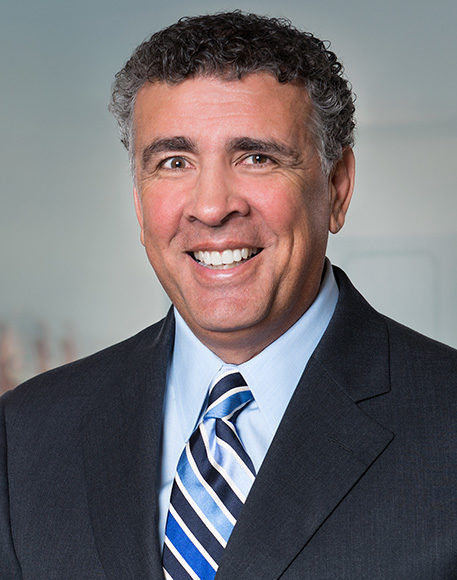
Stephen M. Garcia represents victims of elder and nursing home abuse and is known as one of the leading civil litigators in the country. He is Senior Partner at Garcia & Coman, where the firm’s practice is focused on elder abuse, nursing home abuse, and wrongful death of the elderly.
Find out more about Stephen M. Garcia